Wheel Hub Replacement in Mesquite TX: Why Proper Torque Matters
Wheel hub bearing failure means noise, play, and unsafe handling. Learn what proper torque procedure looks like and why it separates a safe repair from a come-back problem in Dallas County.
A bad wheel hub bearing will tell you before it leaves you stranded. You hear it first: a growling, humming noise that gets louder with speed. Then you might feel play in the wheel when you grab it at the top and push and pull. If you ignore those signals long enough in North Texas traffic, that hub can seize or shed parts while you are doing 70 on I-30.
The wheel hub holds your wheel on the car and lets it spin freely. The bearing inside is sealed for life on most modern assemblies, meaning you do not repack it. When the bearing fails, the whole hub gets replaced as a unit. It is pressed onto the spindle, secured with a castle nut and cotter pin or a retained axle nut, and bolted to the steering knuckle. That assembly carries the weight of your vehicle and everything your tires touch.
The mechanic who installs your wheel hub matters less than the mechanic who torques it. Proper torque loads the bearing correctly. Too loose and the assembly rocks on the spindle, destroying the bearing race in a few hundred miles. Too tight and you collapse the bearing preload, causing the same failure, just faster. On many late-model vehicles, the axle nut alone takes over 200 lb-ft of torque. This is not a place for guesswork. We use a calibrated torque wrench, follow the vehicle-specific sequence, and verify everything twice. On some applications there is a torque-to-yield bolt that stretches and must be replaced, not reused, and we know which ones.
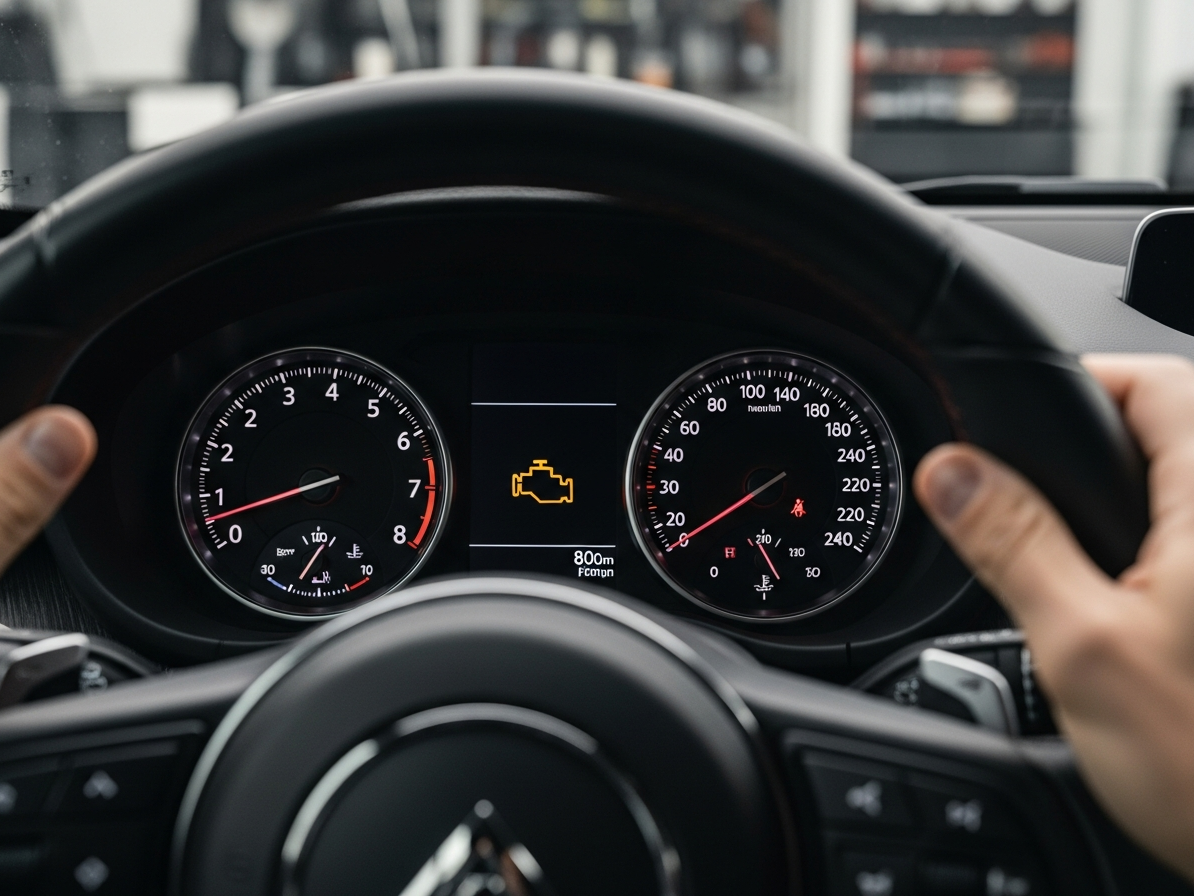
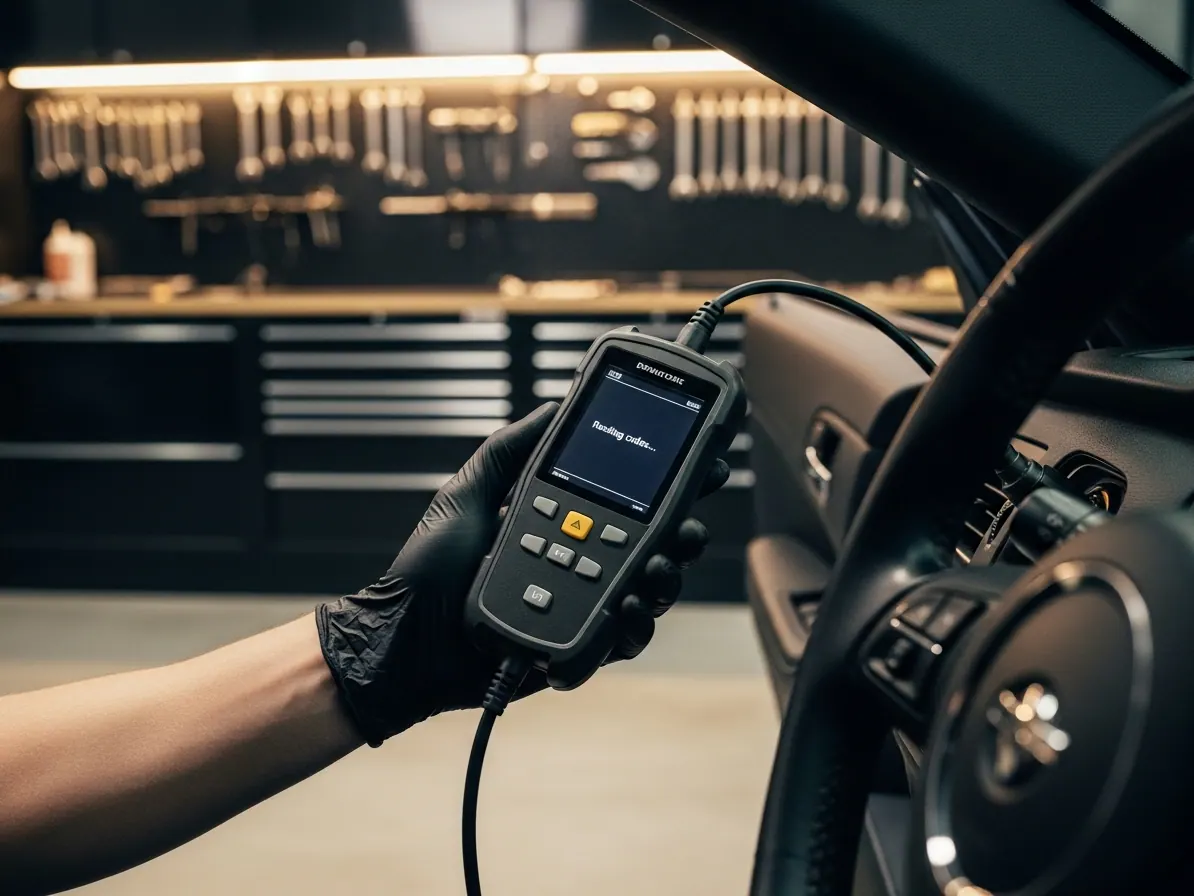
When you bring your car in for a wheel hub concern, we start by road-testing it if it is driveable. We verify the noise, check for play, and pull codes if the ABS light is on. If the hub is the culprit, we give you a written estimate before touching anything. The work involves supporting the vehicle, removing the wheel, removing the caliper if needed to access the hub, disconnecting the ABS sensor wire, and unbolting the hub from the knuckle. We press the old hub off the spindle and press the new one on, reinstall with the correct hardware, torque everything to factory specs, and road-test again.
A wheel hub replacement at our shop typically takes most of a day because we do not rush the verification. You can expect the work to be done right the first time, backed by our 24-month or 24,000-mile workmanship warranty.
Do not wait for the noise to become a clunk. If you hear something that was not there last week, call us at (888) 348-4808 or book an appointment before it becomes a safety issue. We can diagnose the problem in the morning and have you back on the road the same day in most cases. Get it checked at Mesquite Auto Force on I-30 Frontage Road. We will tell you exactly what we find and give you a straight estimate before we do anything else.
Signs you need a wheel hub replacement
- A grinding or humming noise that changes with speed
- Wheel play when you shake the wheel at 12 and 6 o'clock
- An ABS warning light on the dash
- Uneven tire wear from a wheel that is not tracking true
- Clicking or snapping when turning