EV Tire Installation in Mesquite: Tesla, Mach-E, F-150 Lightning
Electric vehicles have different tire demands than gas cars. Learn what Mesquite drivers with Teslas, Mustang Mach-E, and F-150 Lightnings need to know about EV tire installation.
Electric vehicles put different demands on tires than gas-powered cars. If you drive a Tesla, Ford Mustang Mach-E, or F-150 Lightning in the Mesquite area, you need to know what makes EV tire installation different and why it matters for your safety and your range.
Electric vehicles are heavier than their gas counterparts. A Tesla Model 3 weighs more than a comparable gas sedan, and the Ford F-150 Lightning tips the scales at over 6,000 pounds in some configurations. That extra weight stresses tires harder. EVs also deliver torque instantly. Floor it and the full motor output hits the pavement immediately, which snaps tire stress up compared to a gas engine that builds power gradually. The result is faster wear on the center of the tread and more heat buildup under hard acceleration. Regenerative braking helps extend tire life, but it changes how wear patterns develop, and a technician who only works on gas cars may not recognize the signs of EV-specific wear.
Tesla vehicles come with specific tire sizes that match the original equipment. Model 3 and Model Y commonly use 18 to 20 inch wheels depending on the trim, and Teslas use tire pressure monitoring that requires a reset after every tire change, so if the shop does not recalibrate TPMS your dashboard will keep throwing warnings. The Ford Mustang Mach-E rides on 18 to 20 inch tires depending on the package, with the GT running wider rubber, and Ford specifies particular load ratings because of the battery weight in the floor pan. The F-150 Lightning uses 18 to 22 inch wheels, is heavy, and tows up to 10,000 pounds in some configurations, so Lightning tires need higher load ratings than you might expect from the size. A Lightning rolling on under-rated tires is a safety issue.
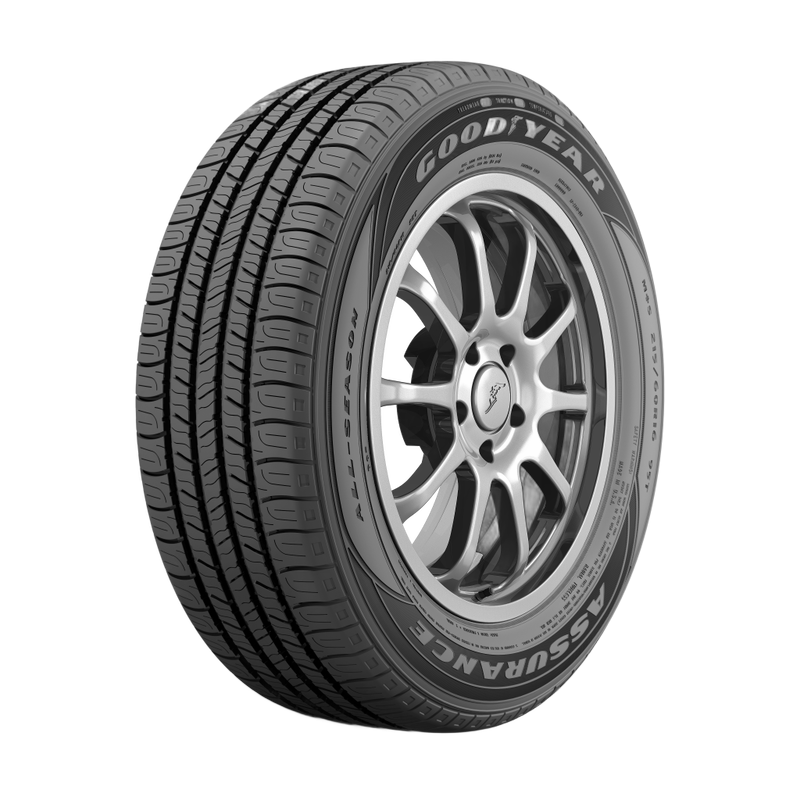
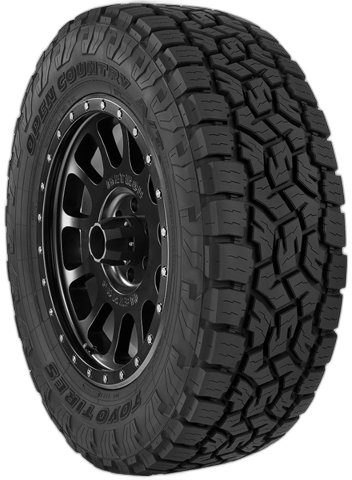
Not every tire on the shelf works for an electric vehicle. The load rating must meet or exceed what the manufacturer specifies. Rolling resistance matters for range, but ultra-low rolling resistance can compromise grip. The treadwear rating should be reasonable because EVs accelerate faster and weigh more, and the speed rating must match the vehicle's capability even if you never drive that fast. We stock Michelin, Goodyear, Bridgestone, Continental, Pirelli, Cooper, and BFGoodrich, and we can tell you which ones carry the right specs for your specific model.
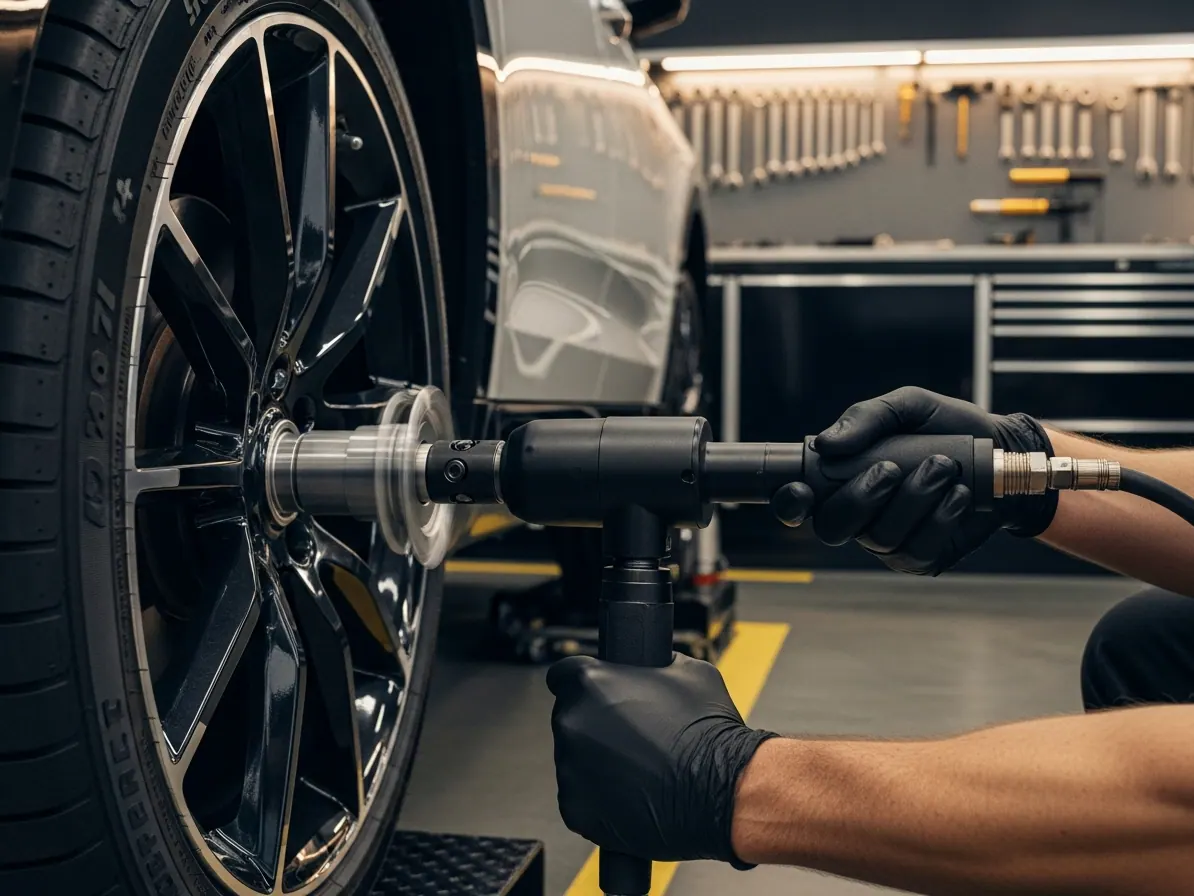
We install tires on electric vehicles every week. We verify the original equipment size and load rating for your specific model before we mount anything. If you bring in a Tesla Model Y, we check the spec sheet for that year and trim, not just the approximate size. Installation includes proper mounting with a calibrated balancer, a TPMS sensor reset for systems that support it, and a road-force balance if the wheel warrants it. We do not skip the relearn procedure for Ford TPMS on a Mach-E or Lightning. Our techs check the lug nuts for proper torque and look at suspension components while the wheels are off, and if we see anything that will cause a problem before your next oil change, we tell you.
Watch for tread depth below 4/32 inch, which is riskier on an EV because you have no engine noise to signal loss of traction, along with uneven wear across the tread face, vibrations at speed, and sidewall damage from potholes. If you need new tires on your Tesla, Mach-E, or Lightning, stop by the shop at 4036 I-30 Frontage Road in Mesquite. Call us at (888) 348-4808 if you want to check availability for your specific size before you drive over. You get a written estimate before any work begins, and the price on the ticket is what you pay.
Choosing the right tire for an EV
- Load rating must meet or exceed the manufacturer spec
- Balance rolling resistance for range against grip
- A reasonable treadwear rating for the added weight
- A speed rating that matches the vehicle's capability
- A TPMS reset or relearn after every tire change