Run Flat Tire Replacement in Mesquite TX
Run flat tires keep you moving after a puncture, but they still wear out and eventually need replacement. Here's what North Texas drivers should know about run flat service.
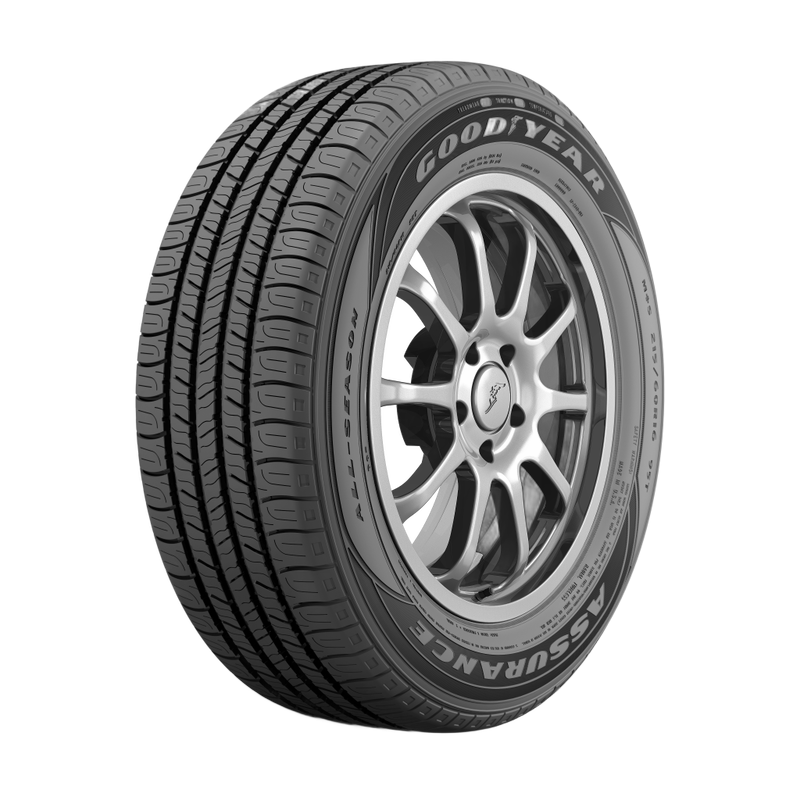
Run flat tires are designed to keep you moving after a puncture, but they are not invincible. They still wear out, get damaged, and eventually need replacement. If you drive in Mesquite or anywhere across Dallas County, understanding when and how to replace a run flat matters.
Run flat tires have reinforced sidewalls that support the vehicle's weight even when tire pressure drops to zero. This design lets you drive roughly 50 miles at reduced speeds after a nail or puncture, which is enough to reach a shop. Not every vehicle uses them, but many do. BMW, Mercedes-Benz, Audi, MINI, and some Ford and Chevrolet models come equipped from the factory. The technology is useful, but it changes how these tires age and how we service them.
Standard tire repair involves plugging a puncture in the tread area, and that does not work on run flats after they have been run flat. The reinforced internal structure gets compromised the moment the tire loses air and the sidewall flexes under load. Driving on a deflated run flat, even for a short distance, can cause internal separation that no patch can fix. If your run flat has been driven on while flat, replacement is the only safe option.
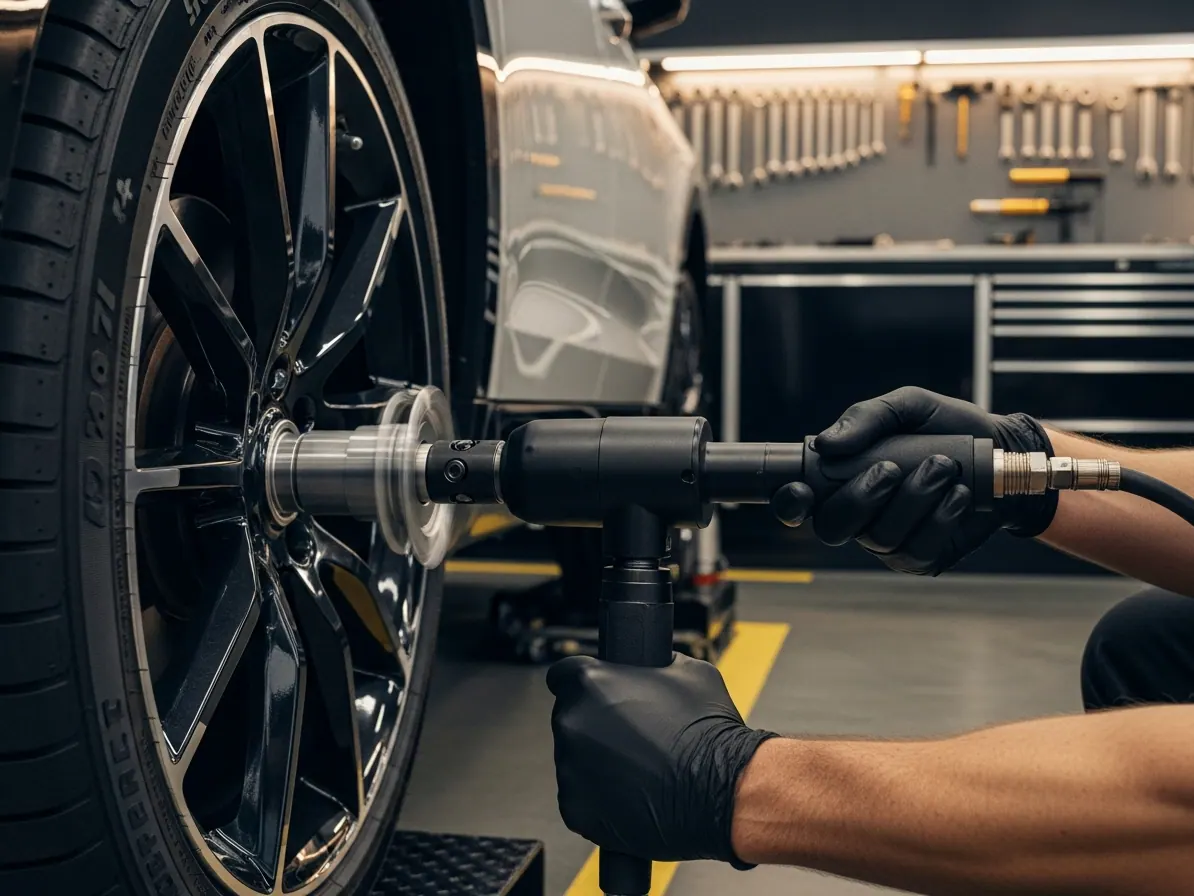
When you bring your vehicle to us at 4036 I-30 Frontage Road, we start by inspecting the damaged tire and checking the rim for curb rash or bending. We also test the TPMS sensor, because it often takes a hit during the loss of pressure event. If the sensor is faulty, we tell you before we do anything else. We stock run flat tires from Michelin, Goodyear, Bridgestone, Continental, Pirelli, Cooper, and BFGoodrich, and we verify the replacement matches your vehicle's speed rating, load capacity, and size. A mismatched run flat can trigger stability control issues and is not safe.
Once we install the new tire, we balance it to factory specs and run a TPMS relearn procedure so the system registers the sensor. We give you a written estimate before any work begins, and we back our installation with a 24-month or 24,000-mile workmanship warranty. Turnaround on a single run flat replacement is usually under an hour if we have the tire in stock.
Do not wait until the tread is gone. If your TPMS light is on, if you hit a pothole hard, or if you notice any of the signs below, bring the vehicle in. Run flat tires are a specialized product that requires the right parts, the right equipment, and someone who pays attention to details. If you are not sure whether your tire needs replacing, call us at (888) 348-4808 and we will walk you through it. No pressure, no surprises on the bill.
Signs your run flat needs replacing
- Visible cracks or splits in the sidewall rubber
- Uneven tread wear across the face of the tire
- Bulges or bubbles on the sidewall or tread face
- Vibration or steering pull at highway speeds
- Age: most run flats should be replaced after six years
- A TPMS light that stays on after inflating the tire